At a glance
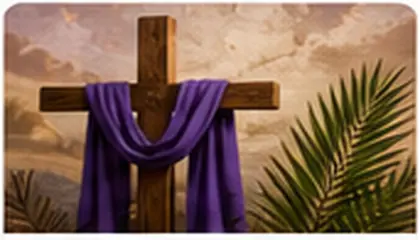
- The cross points to christ’s death.
- The empty tomb points to resurrection.
- Light points to christ and victory.
- Water and bread connect with baptism and communion.
The central Christian meaning
Symbols can teach by making an idea visible, but no symbol should be treated as magical or allowed to replace Scripture and worship.
The best approach is clear enough for a new reader and deep enough to reward careful reflection. Easter Hope & Resurrection writes from a broadly historic Christian perspective and encourages readers to follow the teaching and pastoral guidance of their own church where practices differ.
Read the biblical context
Helpful passages include John 1:29, John 8:12, Romans 6:3–4, 1 Corinthians 5:7, Revelation 5:6–14. Read at least one passage in context rather than using only a detached phrase. Notice who is speaking, what has already happened, how people respond, and what the text says about Jesus.
The Gospel accounts often include fear, misunderstanding, grief, surprise, worship, and mission in the same story. That emotional range protects Easter from becoming shallow positivity. The risen Christ meets real people in confusion and sends them forward with truth and purpose.
Practical ways to respond
- Choose fewer symbols and explain them well. Take enough time to understand why the practice matters, and keep it proportionate to your household, church, health, and responsibilities.
- Place a Scripture reference beside a display. Take enough time to understand why the practice matters, and keep it proportionate to your household, church, health, and responsibilities.
- Ask children to retell the meaning. Take enough time to understand why the practice matters, and keep it proportionate to your household, church, health, and responsibilities.
- Respect traditions that use symbols differently. Take enough time to understand why the practice matters, and keep it proportionate to your household, church, health, and responsibilities.
Do not measure spiritual value by how many activities you complete. One honest reading, prayer, conversation, act of service, or step of obedience may be more fruitful than an overloaded plan.
For families and younger readers
Younger children learn well through objects, but adults should distinguish biblical symbols from later cultural customs.
Adults should invite questions, use age-appropriate language, and avoid forcing a child or teenager to display a particular emotion. The aim is patient formation: helping younger people understand the story, see its meaning, and participate in ways that are safe and sincere.
Common mistakes to avoid
Do not imply that a custom is required by Scripture when it developed later.
- Do not shame families that use or avoid a particular seasonal tradition.
- Do not copy another culture's practice without learning its meaning and context.
- Do not let cost, display, or social comparison control the celebration.
A wiser approach keeps the main truth clear, respects people at different stages of faith, and chooses practices that can be carried out with honesty rather than seasonal pressure.
Questions for reflection
- Which symbol communicates most clearly?
- Could someone misunderstand it?
- How does Scripture control its meaning?
Write a brief answer, discuss one question with another person, or use a question as the beginning of prayer. Reflection is most useful when it leads to truthful worship and a concrete next step.
A faithful next step
Choose one Scripture passage from this guide and one realistic response. Put both on your calendar. Easter hope becomes visible when Christian confession shapes time, relationships, service, courage, forgiveness, and attention to people who are easily overlooked.